How To Maintain A Balanced Diet While Living Gluten Free
Most people think gluten-free diets are restrictive, but you can achieve balance by prioritizing nutrient-dense whole foods, naturally gluten-free whole grains (quinoa, buckwheat, millet), a variety of lean proteins, healthy fats, and colorful fruits and vegetables; plan meals, read labels to avoid hidden gluten, and use fortified products or supplements where needed to meet fiber, B vitamins, iron, and calcium targets.
Key Takeaways:
- Base meals on naturally gluten-free whole foods: vegetables, fruits, lean proteins, legumes, nuts, seeds, and dairy or fortified alternatives.
- Include gluten-free whole grains for fiber and sustained energy: brown rice, quinoa, buckwheat, millet, and amaranth.
- Check product labels for hidden gluten, cross-contamination, and fortified nutrients like iron and B vitamins.
- Build balanced plates with protein, complex carbohydrates, healthy fats, and plenty of vegetables at each meal.
- Monitor common nutrient gaps on a gluten-free diet-iron, B12, vitamin D, and fiber-and test or supplement as needed with professional guidance.
Understanding Gluten and Gluten Sensitivity
The Science Behind Gluten
You’ll find that gluten is a group of storage proteins-primarily gliadin and glutenin-found in wheat, barley, and rye; oats can be contaminated unless certified gluten-free. About 1% of the global population has celiac disease, while the genes HLA‑DQ2 or HLA‑DQ8 appear in roughly 30-40% of people, which increases susceptibility but does not guarantee disease. Serologic testing for tissue transglutaminase IgA (tTG‑IgA) has sensitivity and specificity in the mid‑90% range, and confirmatory diagnosis still relies on duodenal biopsy showing villous atrophy (Marsh 3 changes) when you’re on a gluten-containing diet.
Autoimmune injury drives celiac pathology: gliadin peptides trigger an immune cascade that flattens intestinal villi and impairs nutrient absorption, so you can see iron, folate, vitamin D and calcium deficiencies and low bone mineral density in newly diagnosed patients-studies report reduced bone density in up to 75% at presentation. Non-celiac gluten sensitivity (NCGS) behaves differently: you won’t have the characteristic autoantibodies or intestinal atrophy, and mechanisms may include innate immune activation, wheat amylase‑trypsin inhibitors (ATIs), or coexisting FODMAP intolerance, which is why diagnostic workup and symptom tracking are important before you eliminate gluten.
Common Symptoms of Gluten Sensitivity
You may experience a broad spectrum of gastrointestinal symptoms such as bloating, abdominal pain, chronic diarrhea or constipation, and steatorrhea; these are typical in celiac disease but also occur with NCGS and irritable bowel syndrome. Extraintestinal signs are equally important: pervasive fatigue, “brain fog,” recurrent headaches, arthralgia, and unexplained iron‑deficiency anemia frequently prompt evaluation-dermatitis herpetiformis, an intensely itchy blistering rash, occurs in roughly 10-25% of celiac patients and is a dermatologic clue to gluten‑triggered autoimmunity.
Children often present differently: delayed growth, failure to thrive, or short stature can be the dominant features rather than overt gastrointestinal complaints, so if your child has poor weight gain or developmental delays alongside vague GI symptoms, celiac testing should be on the table. Symptom onset also varies-some people notice reactions within hours, others over days-making a careful history and, when appropriate, a monitored gluten reintroduction useful for pattern recognition.
To differentiate gluten sensitivity from other causes, you should track symptom timing, quantity of gluten consumed, and concurrent triggers (stress, infections, high‑FODMAP meals). Avoid starting a gluten-free diet before testing: serology and biopsy require ongoing gluten exposure to be accurate, and you should consult a gastroenterologist to arrange testing if symptoms persist despite dietary adjustments.
The Importance of Gluten-Free Living
When you have celiac disease, strict lifelong avoidance of gluten is the only proven therapy to halt mucosal damage and reduce long‑term complications-untreated disease increases your risk of intestinal lymphoma and small‑bowel adenocarcinoma by multiple times and is associated with infertility, neurologic problems, and osteoporosis. Adherence to a gluten-free diet improves nutrient absorption, normalizes serology in most patients within 6-12 months, and reduces bone‑related fracture risk as bone density recovers.
For non-celiac gluten sensitivity, adopting a gluten-free approach often yields symptom relief but does not require the same level of lifelong vigilance for malignancy prevention; still, you should be cautious because cutting out gluten without planning can produce deficits in fiber, iron, B vitamins, and calcium. Use the FDA standard-products labeled “gluten‑free” contain less than 20 parts per million (ppm) of gluten-as a guide when selecting packaged foods, and be mindful that cross-contamination and hidden gluten in sauces, medications, and supplements are common sources of inadvertent exposure.
Practically, you should incorporate naturally gluten-free whole grains like quinoa, buckwheat, amaranth, millet, and certified oats to preserve fiber and micronutrient intake, read labels for hydrolyzed wheat ingredients, and consider working with a registered dietitian to monitor iron, folate, vitamin D, calcium and B12 levels and to design balanced meal plans that prevent nutrient gaps while keeping you symptom‑free.
The Basics of a Balanced Diet
Essential Nutrients for Optimal Health
When planning meals, prioritize nutrients that frequently fall short on a gluten-free diet: adequate protein, fiber, calcium, iron, B vitamins and vitamin D. Aim for about 0.8 g of protein per kilogram of body weight daily as a baseline (1.2-1.6 g/kg if you train regularly), target 25-30 g of fiber per day, and meet micronutrient targets such as calcium ~1,000-1,300 mg/day, iron 8 mg for adult men and 18 mg for premenopausal women, vitamin D 600-800 IU, and vitamin B12 2.4 µg. People with untreated celiac disease often present with iron-deficiency anemia (estimates around 30-40% at diagnosis), so you should check labs and consider fortified foods or supplements if deficiencies appear.
You’ll get these nutrients from a mix of naturally gluten-free choices and fortified products: lean meats, fish and legumes for protein and iron; Greek yogurt or fortified plant milks for calcium and vitamin D; quinoa, buckwheat, millet and certified gluten-free oats for fiber and B vitamins; and nuts, seeds and leafy greens for magnesium and zinc. Choose fortified gluten-free cereals when you need an easy source of B vitamins and iron, and have a plan for supplementation only after testing shows a gap.
Food Groups: What to Include and Avoid
Fill your plate with vegetables and fruits, lean proteins (fish, poultry, tofu, legumes), dairy or fortified alternatives, nuts and seeds, and gluten-free whole grains such as quinoa, brown rice, buckwheat, millet, teff and certified gluten-free oats. Avoid wheat, barley and rye and products made from them (standard bread, pasta, couscous, malt-containing sauces). Steer clear of many processed “gluten-free” snacks that are high in refined starches and sugars; instead, pick whole-food alternatives like chickpea crackers or roasted nuts.
Pay attention to cross-contamination and ingredient lists-watch for terms like malt, hydrolyzed wheat protein, barley extract or “wheat starch” that can indicate hidden gluten. When choosing packaged gluten-free items, prefer those with nutrition labels showing fiber and micronutrient content or with fortification statements to help bridge common gaps.
Use simple swaps: replace wheat pasta with brown rice or lentil pasta for extra protein and fiber, trade store-bought gluten-free cookies for fruit and nut bars with minimal added sugar, and opt for whole pseudocereals (amaranth, teff) over refined rice crackers to boost micronutrient density.
The Role of Macronutrients vs. Micronutrients
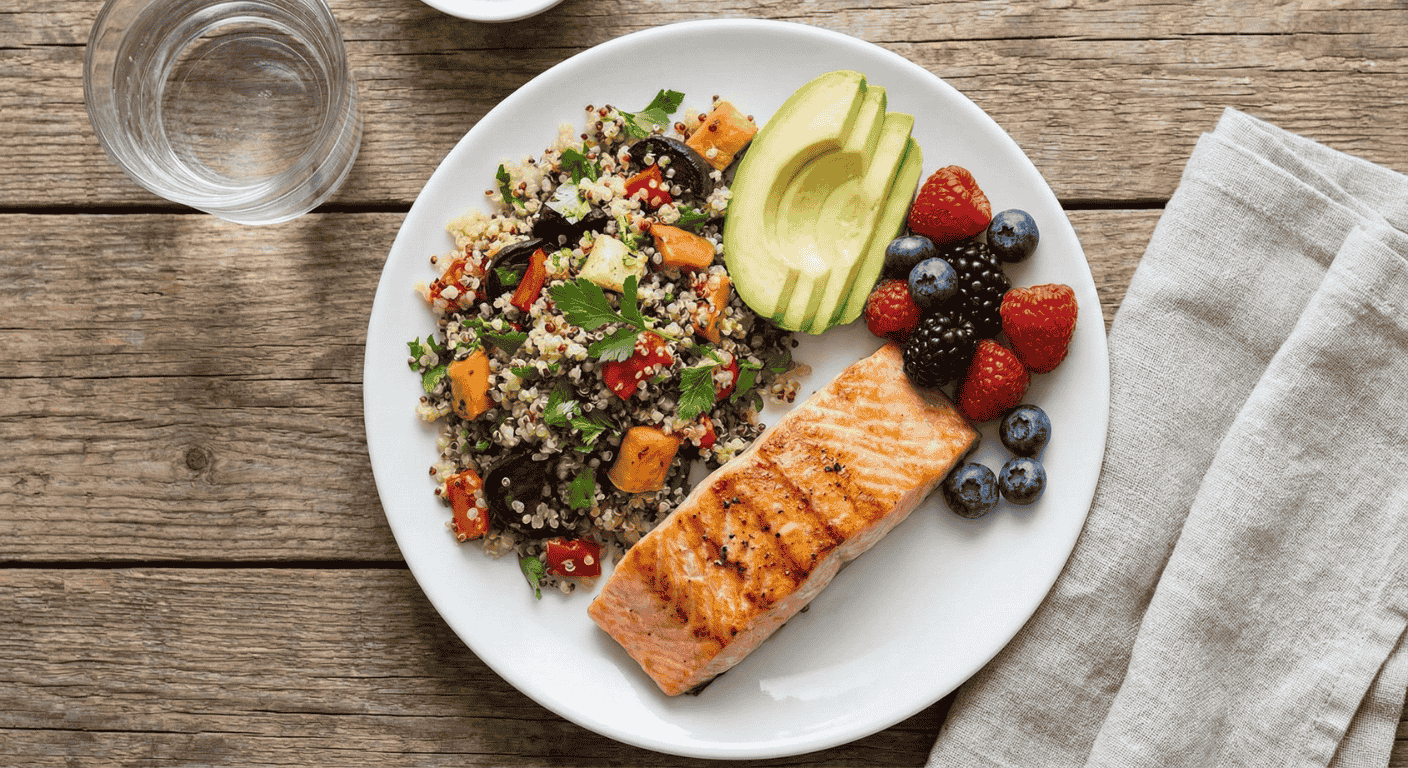
Balance macronutrients to support energy, recovery and blood sugar control: aim for about 45-65% of calories from carbohydrates (favoring complex carbs and fiber), 20-35% from fats (emphasizing monounsaturated and polyunsaturated fats), and 10-35% from protein depending on activity level. Combine carbs with protein and healthy fat at each meal to slow glucose absorption-examples: salmon + quinoa + steamed broccoli, or Greek yogurt + berries + a spoonful of flaxseed. Include omega-3 sources (fatty fish, chia, flax) to reach roughly 250-500 mg EPA+DHA-equivalents per day from food or supplements.
Micronutrients-vitamins and minerals-play regulatory roles that macros cannot replace. On a gluten-free diet you should track intakes of iron, B12, folate, vitamin D, calcium, zinc and magnesium, because deficiencies can affect energy, bone health and immune function. If you have a history of malabsorption, coordinate blood tests with your clinician and consider targeted supplementation rather than guessing at doses.
Practically, use the plate method (half vegetables, one quarter protein, one quarter whole grain) and pair complementary foods-combine grains like quinoa with legumes to create a more complete amino acid profile. Log a few days in a nutrition app to spot gaps, prioritize fortified gluten-free staples when needed, and repeat lab checks every 6-12 months until levels stabilize.
Gluten-Free Whole Grains and Alternatives
Understanding Gluten-Free Grains
When you prioritize whole gluten-free grains, focus on intact kernels or minimally processed options because they deliver fiber, B vitamins, magnesium, and trace minerals that refined versions lack. For a practical benchmark, a standard serving is about 1/2 cup cooked (roughly 75-100 g), which typically provides 2-5 g of fiber and 3-8 g of protein depending on the grain; choosing whole-grain forms helps you meet daily fiber targets of roughly 25-30 g. You should also check labels for “certified gluten-free” to avoid cross-contamination, especially with oats or rice products processed in facilities that handle wheat.
Pay attention to processing and enrichment: some packaged gluten-free breads and pastas are low in B vitamins and iron unless fortified, so pairing grains with legumes, leafy greens, or fortified dairy alternatives helps close micronutrient gaps. Store whole grains in airtight containers in a cool, dark place and rotate stock-most whole-grain flours keep 1-3 months in the pantry and longer in the fridge or freezer to preserve oils and prevent rancidity.
Popular Gluten-Free Grains: Quinoa, Amaranth, and More
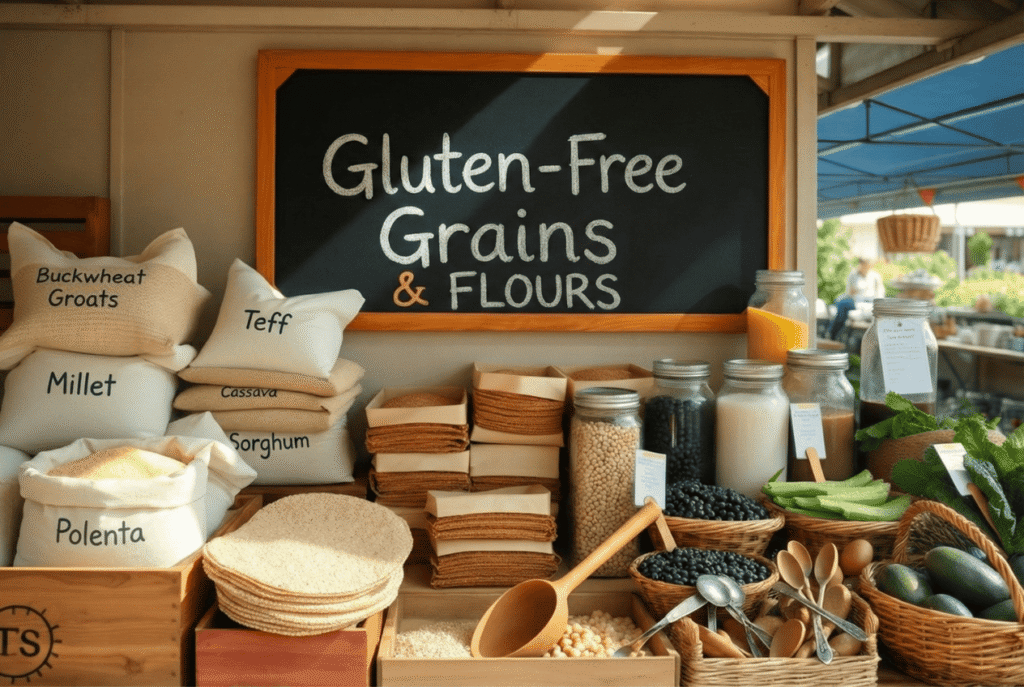
Quinoa and amaranth are pseudocereals that stand out for nutrient density-one cup cooked quinoa delivers about 8 g protein and 5 g fiber, while cooked amaranth can provide around 8-9 g protein and similar fiber, plus higher lysine content than many true grains. Other useful options include buckwheat (about 6 g protein per cooked cup and flavonoids like rutin), teff (notable for calcium and iron), sorghum (versatile as flour or popped whole), millet, and brown rice; certified gluten-free oats offer 3-5 g fiber per serving and are a practical breakfast staple if uncontaminated.
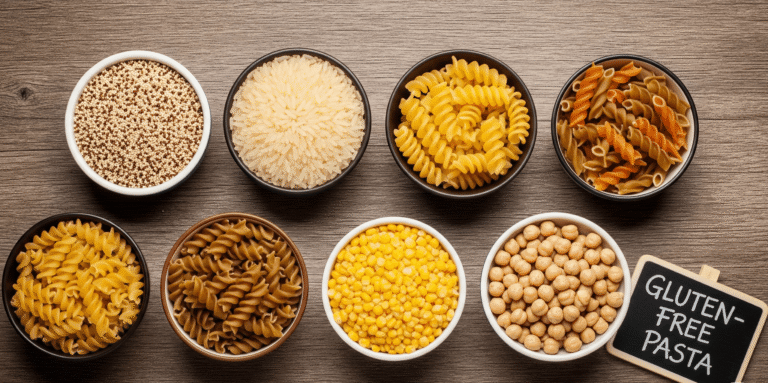
Use these grains for specific dishes: quinoa pairs with black beans for complete-protein salads, amaranth makes a creamy morning porridge, buckwheat works well in pancakes and soba-style noodles when 100% buckwheat, and teff is traditional for injera-style breads. You can also find gluten-free pasta made from brown rice or sorghum and flours like sorghum, teff, and buckwheat for baking-blending flours usually gives better texture than single-flour substitutions.
Cooking tips and ratios help you get consistent results: quinoa typically cooks in a 1:2 grain-to-water ratio for about 15 minutes, while amaranth needs roughly a 1:3 ratio and 20-25 minutes to become porridge-like; toasting grains briefly before simmering enhances flavor and reduces stickiness. If you aim to boost protein quality, combine grains with legumes-quinoa plus lentils or rice plus chickpeas yields a more complete amino acid profile per meal.
How to Incorporate Whole Grains into Your Diet
Make whole grains a regular part of meals by swapping refined items for their gluten-free counterparts: replace white rice with brown rice or sorghum, use quinoa instead of couscous in salads, and choose millet or buckwheat for pilafs and pancakes. Aim for at least half your grain servings to be whole grains; practical portioning is simple-1/2 cup cooked counts as a serving-so two to four cooked servings daily fits most calorie ranges when paired with vegetables and protein.
Plan meals that layer grains with plant and animal proteins to increase satiety and nutrient diversity: a bowl with 1 cup cooked quinoa (≈8 g protein), a palm-sized portion of grilled salmon, and two cups of mixed vegetables delivers fiber, omega-3s, and complete protein. For baking, use premixed gluten-free flour blends for one-to-one swaps, or combine sorghum, tapioca, and a binder like xanthan gum to mimic wheat structure-test small batches to fine-tune texture.
Batch-cook grains and freeze in 1-cup portions to save time and reduce waste; reheating gently with a splash of water brings texture back, and you can stretch proteins by mixing grains into meat or bean dishes-adding 1 cup cooked quinoa to a pot of chili extends servings while raising fiber and micronutrients. Always scan labels for added sodium or preservatives in packaged grain products and choose minimally processed options when possible.
Fruits and Vegetables: Nutritional Powerhouses
The Importance of Variety in Fresh Produce
Vary the colors on your plate to cover a wider range of vitamins, minerals and phytochemicals: orange and dark-green vegetables supply beta‑carotene and vitamin A, citrus and peppers deliver vitamin C, while leafy greens give folate and magnesium. Aim for roughly 2-3 cups of vegetables and 1.5-2 cups of fruit per day depending on your calorie needs, and target 25-30 g of fiber daily to support gut health-fruit and vegetables are key sources that help fill gaps common on restrictive plans like a Gluten-free diet.
Mix textures and preparation methods across the week: raw berries or apple slices at breakfast, steamed cruciferous vegetables and roasted root vegetables at dinner, plus one legume- or nut-based salad for extra protein and iron absorption enhancers like vitamin C. For example, pairing spinach (rich in folate and iron) with orange segments can increase non‑heme iron uptake, and rotating in sweet potatoes, bell peppers and broccoli will boost your intake of antioxidants and fiber.
Seasonal Fruits and Vegetables for a Balanced Diet
Buy in season to maximize flavor, nutrient density and cost-effectiveness: summer offers tomatoes, berries and zucchini; autumn brings apples, pears and winter squash; winter provides citrus, kale and cabbage; spring yields asparagus, peas and early greens. Seasonal produce is often harvested at peak ripeness, which can mean higher vitamin C and polyphenol levels compared with out-of-season imports, and you may save roughly 20-40% versus out-of-season prices depending on local supply.
Plan simple rotations: pick two fruits and three vegetables each season and build meals around them-summer could be strawberries, peaches, tomatoes, cucumbers and basil, used in salads, salsas and smoothies. Freezing surplus at peak ripeness preserves much of the nutrient value: blanch most vegetables for 2-4 minutes before freezing and freeze berries whole for smoothies or compotes.
When you map your weekly meals to the seasonal calendar, you reduce menu monotony and increase coverage of micronutrients; for instance, rotating citrus into winter breakfasts ensures regular vitamin C, while adding beet and orange salads in fall supports folate and potassium intake.
Tips for Sourcing and Storing Produce
Source from a mix of outlets: farmers markets and CSAs give fresher, often cheaper seasonal picks; frozen produce is a reliable, nutrient-retaining backup-frozen fruit and vegetables are usually flash‑frozen within 24 hours of harvest and can have equal or higher nutrient density than supermarket produce. Prioritize organic on high‑pesticide items (the “Dirty Dozen” lists about 12 crops that commonly have higher residues) and inspect for bruises or mold-berries typically last 3-7 days refrigerated, apples can keep several weeks in a cool drawer.
Store smart: keep leafy greens in perforated bags with a paper towel to absorb moisture, refrigerate at 32-40°F for most vegetables, and store ethylene producers (apples, bananas) away from sensitive items like cucumbers and leafy greens to prevent premature spoilage. Freeze within 24-48 hours when possible to lock in nutrients, and blanch dense vegetables (e.g., green beans, broccoli) 2-4 minutes before freezing to preserve color and texture.
- Buy frozen berries and vegetables as staples for smoothies and stews to avoid waste.
- Join a CSA for weekly variety and to force seasonal rotation in your meal planning.
- Assume that whole produce lasts longer and has lower cross-contact risk than pre-cut or ready-to-eat options.
Protect your gluten-free routine when sourcing and storing: wash produce under running water before eating, use separate cutting boards and utensils if shared surfaces are used for gluten-containing foods, and keep packaged gluten-free staples and fresh produce in distinct areas to minimize cross-contact at home.
- Wash fruits and vegetables under running water just before use; avoid detergent-water removes surface residues effectively.
- Label and date frozen portions so you rotate older items first and reduce waste.
- Assume that pre-cut salad mixes and deli-prepared produce have higher handling risk and inspect packaging and handling practices before buying.
Protein Sources in a Gluten-Free Diet
Animal vs. Plant-Based Proteins
When comparing animal and plant proteins, you should weigh bioavailability and amino-acid completeness: animal proteins (eggs, poultry, beef, fish, dairy) typically provide complete amino-acid profiles and higher digestibility scores, so 3 oz (85 g) of cooked chicken gives about 26 g protein while a large egg provides ~6 g. Plant sources like lentils, chickpeas, quinoa, soy, nuts and seeds often deliver additional fiber, vitamins and minerals-1 cup cooked lentils supplies ~18 g protein plus ~16 g fiber-but may require combining sources across meals to cover all vital amino acids.
You can optimize intake by mixing sources: aim for 0.8-1.0 g/kg body weight as a baseline (1.2-2.0 g/kg if highly active), and include one complete or complementary protein at each meal. For example, pair rice with beans or quinoa with roasted vegetables; soy foods (tofu, tempeh) offer plant proteins with protein-quality scores comparable to animal sources-tempeh has ~19 g protein per 100 g-making them reliable staples in a gluten-free plan.
Navigating Meat, Fish, and Dairy Options
You should prioritize whole, unprocessed meats and fresh fish because they’re naturally gluten-free; a 3 oz (85 g) serving of salmon contains roughly 22 g protein and provides omega-3s that support heart and brain health. Be cautious with processed items-sausages, deli meats, breaded fish and some marinades or sauces (teriyaki, soy-based glazes) frequently contain wheat, barley malt or gluten-containing thickeners-so scan labels for wheat, rye, barley or a certified “gluten-free” mark.
Concerning dairy, most plain milk, yogurt and aged cheeses are gluten-free and supply calcium and B12; flavored or pre-mixed dairy products, protein powders and meal-replacement shakes may include gluten-containing additives or cross-contamination risks. Follow safe-preparation practices in kitchens where shared fryers or cutting boards are used, and choose labeled gluten-free processed meats or make your own seasoned lean cuts to control ingredients.
For portion and frequency guidance, target the Dietary Guidelines’ recommendation of about 8 ounces (≈224 g) of seafood per week (two 3-4 oz servings) for most adults, and treat animal protein portions as palm-sized servings (roughly 3-4 oz cooked) when planning meals so you hit protein targets without excess saturated fat.
Gluten-Free Legumes and Nut Products
Legumes and nuts are protein-dense and naturally gluten-free: 1 cup cooked chickpeas has ~15 g protein, 1 cup cooked black beans ~15 g, and 1 cup cooked lentils ~18 g. Nuts and seeds concentrate protein and healthy fats-1 oz (28 g) almonds yields ~6 g protein and peanut butter (2 tbsp) supplies ~7-8 g-while also adding iron, magnesium and folate from legumes; buffering phytic acid via soaking, sprouting or fermenting improves mineral availability.
Packaged nut mixes, flavored nut butters and many bar products can contain gluten-containing ingredients or face cross-contact in shared facilities, so you should favor single-ingredient nuts, plain nut butters, or brands with gluten-free certification. Use nut and legume servings to boost snacks and meals-add 2 tbsp peanut butter to a smoothie for ~8 g protein, or toss 1/2 cup cooked lentils into a salad for ~9 g additional protein.
To build complete proteins on a budget, combine legumes with gluten-free grains-rice and beans, or quinoa with black beans-so one cup cooked quinoa (~8 g protein) plus one cup lentils (~18 g) yields a meal with ~26 g protein and a broad amino-acid profile; increase legume intake gradually to allow your gut to adjust to higher fiber levels.
Healthy Fats: The Good, The Bad, and The Essential
Understanding Different Types of Fats
You’ll encounter four main categories: saturated fats (typically solid at room temperature), industrial trans fats (largely from hydrogenated oils), monounsaturated fats (MUFA, like olive oil), and polyunsaturated fats (PUFA, including omega‑3 and omega‑6). Clinical guidance generally keeps saturated fat under about 10% of total calories, asks you to minimize trans fats as much as possible, and encourages MUFA and PUFA intake because they improve lipid profiles and support cell function.
- Saturated: butter, fatty cuts of meat, coconut oil – limit to under ~10% of calories.
- Trans: partially hydrogenated oils, some margarines – avoid industrial sources entirely.
- Monounsaturated: olive oil, avocados, macadamia nuts – linked to better HDL/LDL ratios.
- Polyunsaturated (omega‑3): salmon, flaxseed, chia – aim for ~250-500 mg EPA+DHA daily from food or supplements.
- Polyunsaturated (omega‑6): sunflower, corn oils – necessary but keep balance with omega‑3s (rough target ratio ~4:1-10:1).
| Saturated fats | Sources: red meat, butter, coconut oil. Health note: keep <10% of calories; excessive intake raises LDL cholesterol. |
| Trans fats | Sources: industrial margarines, baked goods with hydrogenated oils. Health note: linked to higher heart disease risk – avoid. |
| Monounsaturated fats (MUFA) | Sources: olive oil, avocados, almonds. Health note: improves cholesterol profile and is stable for moderate-heat cooking. |
| Polyunsaturated fats – Omega‑3 (PUFA) | Sources: fatty fish, flaxseed, chia. Health note: anti‑inflammatory; target ~250-500 mg EPA+DHA/day from food or supplements. |
| Polyunsaturated fats – Omega‑6 (PUFA) | Sources: sunflower, safflower, corn oils. Health note: necessary but balance with omega‑3 to avoid pro‑inflammatory tilt. |
Perceiving these differences lets you choose olive oil or avocado over butter for most cooking, reach for salmon or walnuts to boost omega‑3s, and avoid packaged items with hydrogenated oils when you’re managing your gluten‑free diet.
Sources of Healthy Fats for Gluten-Free Living
You can rely on single-ingredient, naturally gluten‑free foods: extra‑virgin olive oil, avocado, olives, cold‑pressed canola or avocado oil, nuts (almonds, walnuts, pistachios), seeds (chia, flax, hemp), and fatty fish (salmon, mackerel, sardines). For portion context, 1 tablespoon of olive oil has ~120 kcal and 14 g fat; a 1‑ounce (28 g) handful of nuts typically provides 160-200 kcal and 14-18 g fat, while a 3‑ounce (85 g) serving of salmon supplies roughly 1,000-1,500 mg EPA+DHA depending on species.
When you buy processed gluten‑free foods, check labels for added oils and trans fats; most plain oils, nuts, and fish are safe, but flavored or roasted nuts and some spreads may be processed on shared equipment that introduces gluten, so opt for certified gluten‑free packaging when cross‑contact is a concern.
For absorption and nutrient density, grind flaxseed before use, choose cold‑pressed extra‑virgin oils for salads, and prefer whole food sources (fish, nuts, seeds, avocado) over heavily processed gluten‑free snacks that can be high in refined carbs and unhealthy fats.
How to Include Healthy Fats in Meals
Add healthy fats deliberately to improve satiety and nutrient absorption: drizzle 1-2 teaspoons of extra‑virgin olive oil on salads, mash half an avocado as a sandwich spread on gluten‑free bread, sprinkle 1-2 tablespoons of ground flaxseed into smoothies or yogurt, and include a 3‑ounce portion of fatty fish twice weekly to meet omega‑3 goals. Dietary targets commonly suggest 20-35% of total calories from fat overall while keeping saturated fat under ~10%.
To manage cooking needs, use avocado oil (smoke point ~500-520°F) for high‑heat frying and reserve extra‑virgin olive oil for low‑to‑medium heat or finishing; you’ll reduce oxidation while gaining flavor and health benefits. Also, swap processed dressings for homemade vinaigrettes (3 parts oil to 1 part acid) to control ingredients and avoid hidden gluten in emulsifiers or flavorings.
Portion control matters: you should treat fats as calorie‑dense enhancers-small amounts (a tablespoon of oil or a small handful of nuts) will increase fullness and nutrient uptake without derailing weight or blood‑lipid goals.
Meal Planning for Gluten-Free Diets
Understanding Your Daily Caloric Needs
To tailor your gluten-free plan, start by estimating your total daily energy expenditure (TDEE) using the Mifflin-St Jeor equation or a reliable online calculator; typical ranges are about 1,600-1,800 kcal/day for sedentary women, 2,000-2,400 kcal for moderately active women, and 2,200-3,000+ kcal for men depending on activity level. Adjust upward for regular strength training or manual labor-each extra hour of moderate activity can add roughly 200-400 kcal to your daily needs.
Next, convert that target into macronutrient and fiber goals: aim for roughly 45-65% of calories from carbohydrates, 10-35% from protein, and 20-35% from fat; if you train, target 1.2-2.0 g protein/kg body weight. Set a fiber goal of about 25-35 g/day and prioritize gluten-free whole grains (quinoa, buckwheat, brown rice), legumes, vegetables, and fruits to meet it. Use tracking apps like Cronometer or MyFitnessPal for two weeks, then tweak calories or portion sizes based on energy levels and weight trend.
Tips for Creating Balanced Meal Plans
Use a simple plate framework: half your plate non-starchy vegetables, one-quarter lean protein, and one-quarter gluten-free grain or starchy vegetable, plus 1-2 tablespoons of healthy fat per meal. For a 2,000 kcal sample day, try: breakfast ~400 kcal (Greek yogurt, 40 g GF oats, berries), lunch ~600 kcal (grilled chicken, 1 cup cooked quinoa, mixed greens), snack ~200 kcal (apple with 20 g almond butter), dinner ~800 kcal (150 g salmon, 1 medium sweet potato, roasted broccoli).
Rotate staples so you get a range of micronutrients-aim for three different proteins and three different grains across the week and include legumes at least twice weekly for extra iron and fiber. Pay attention to packaged gluten-free foods: some contain high sodium or added sugars (check labels for >400-500 mg sodium per serving or >10 g added sugar) and choose fortified milks or cereals when you need B12, iron, or calcium boosts.
- Plan a 7-day template with two breakfasts, two lunches, and three dinners you can mix and match.
- Batch-cook grains and proteins in single sessions to speed weekday assembly.
- Keep a running shopping list focused on whole foods and one convenience backup for busy nights.
- Recognizing the temptation to over-rely on processed GF items helps you prioritize nutrient-dense swaps like beans for processed snacks.
Focus on simple swaps so you don’t add complexity: swap white rice for brown rice or barley alternative like buckwheat, trade a processed GF cookie for 20-30 g nuts plus a piece of fruit, and standardize portion sizes (e.g., 3-4 oz/85-115 g cooked protein per meal) so you can quickly assemble balanced plates without daily calculations.
- Include two portable snacks per day (e.g., 150-200 kcal: hummus + carrot sticks or 1 hard-boiled egg + a rice cake).
- Label meals with macro notes (approx calories/protein) to streamline reheating choices during the week.
- Use one shopping list template for staples and rotate seasonal produce to keep costs down.
- Recognizing that meal variety reduces deficiency risk will motivate you to plan at least one new recipe each week.
Prepping for Success: Time-Saving Techniques
Block 2-4 hours once weekly for batch preparation: cook 3 proteins (e.g., roasted chicken, baked tofu, shredded beef), 2-3 grains (brown rice, quinoa, millet), and a tray of roasted vegetables. Use appliances like an Instant Pot (reduces legume cook time by ~60%) and sheet pans to roast multiple vegetables at once; portion into 500-700 ml containers so you have single-meal portions ready to reheat in 2-3 minutes on busy days.
Adopt food-safety and cross-contamination habits while prepping: use color-coded cutting boards, keep gluten-containing groceries in a separate cupboard, and label containers with date and contents. Freeze half of a big-batch cook if you’re prepping 10-12 meals-most cooked grains and proteins keep 3-4 days refrigerated and 2-3 months frozen when stored airtight.
Optimize workflow by chopping all vegetables at once (save 15-30 minutes), cooking grains while proteins roast, and assembling grab-and-go breakfasts like overnight oats or chia jars the night before; these small efficiencies cut daily assembly time to under 10 minutes and keep your gluten-free plan sustainable even on hectic weeks.
Reading Labels: How to Identify Gluten
Understanding Gluten-Free Labels
When you see “gluten-free” on a package in the U.S., it means the product meets the FDA standard of less than 20 parts per million (ppm) of gluten; that threshold is widely adopted internationally through Codex Alimentarius as well. You should still check for third-party certifications such as GFCO (Gluten-Free Certification Organization) or the Crossed Grain symbol, which add another layer of assurance by auditing manufacturing and testing routines.
Always scan the ingredient list for explicit sources: wheat, barley, rye, triticale, malt, brewer’s yeast, semolina, spelt, farro, einkorn and emmer. Pay attention to allergen statements like “Contains: wheat” and advisory labels such as “may contain traces of wheat” or “made on equipment that also processes barley,” which indicate cross-contact risk even when a gluten-free claim is present. If an ingredient name is unfamiliar – for example hydrolyzed wheat protein or maltodextrin (which can be sourced from wheat in some countries) – contact the manufacturer before assuming it’s safe.
Common Hidden Sources of Gluten
Sauces and condiments are frequent culprits: traditional soy sauce, teriyaki, malt vinegar, marinades, and many salad dressings often contain wheat or barley-based ingredients. Processed meats and deli items can include fillers or binders like wheat starch or modified food starch; flavored or powdered coffees, hot chocolate mixes, and instant soups frequently use wheat-based thickeners. Beer and malt beverages are made from barley, and grains in granola bars or cereal clusters may include wheat or barley ingredients even when the overall product appears grain-forward but “natural.”
Other unexpected sources include imitation crab (surimi), seitan (100% wheat protein), sausages with breadcrumbs, some confectionery (licorice, malted milk powder), and certain condiments in international cuisines (e.g., some hoisin or oyster sauces). Oats are naturally gluten-free but are commonly cross-contaminated during growing or processing; choose oats labeled “gluten-free” or certified to avoid this issue. For medications and supplements, inactive ingredients like binders and fillers can contain gluten – always check with the manufacturer or pharmacist if ingredients aren’t clearly listed.
Use a quick keyword checklist when you’re scanning labels: wheat, barley, rye, malt, brewer’s yeast, triticale, semolina, spelt, durum, farro, hydrolyzed wheat protein, and modified food starch. If you find an ambiguous term, a brief call or email to the manufacturer usually clarifies the source; many companies will confirm whether an ingredient is wheat-derived or from a gluten-free source.
The Importance of Cross-Contamination Awareness
You can buy only certified gluten-free products and still get sick if cross-contamination occurs during storage, preparation, or service. Shared toasters, deep fryers used for battered items, cutting boards and utensils that touch gluten-containing bread, and even communal butter or jam knives at a buffet are common points of contact. At home, store gluten-free items above gluten-containing packages to prevent crumbs from falling into them, and use clearly labeled containers or shelf tags to avoid mix-ups.
When you eat out, ask specific questions: whether oil is shared for fried items, if the grill or flat-top is wiped between uses, and whether staff use fresh gloves for your order. Request items prepared in a clean area away from flour-dusted prep zones and ask that sauces be served on the side to avoid inadvertent contamination. Many restaurants now have protocols for gluten-free service – confirm those steps rather than assuming a menu label guarantees safety.
If you want extra verification, consider carrying a simple chef card that lists what you avoid and how cross-contact can occur; this reduces misunderstandings and speeds communication with staff. Portable gluten-detection kits can offer further reassurance in ambiguous situations, but check the detection limits and use them as one tool among clear labeling, certification, and direct questions to staff or manufacturers.
Dining Out: Eating Gluten-Free in Restaurants
Tips for Choosing Gluten-Free Friendly Restaurants
Seek out establishments that explicitly list allergens or offer a dedicated gluten-free menu; chains with centralized ingredient databases often provide clearer answers than small spots that change recipes daily. You can also favor cuisines and dishes that are naturally gluten-free-grilled seafood, plain roasted meats, salads (with dressings checked), rice- and corn-based dishes-while avoiding places known for heavy battering, breading or shared fryers.
- Check online menus for allergen icons and ingredient lists before you go.
- Look for restaurants that advertise staff training on food allergies or cross-contact protocols.
- Prioritize venues with separate fryers, dedicated prep stations, or boxed pre-packaged condiments.
- Choose times when the kitchen is less busy (early dinner or weekday lunches) to reduce risk of cross-contact.
Recognizing that policies and staff knowledge vary widely, call ahead to verify procedures and ask specific questions about preparation and service.
Communicating with Staff About Gluten-Free Needs
You should always disclose whether you have celiac disease, a wheat allergy, or are avoiding gluten for other reasons-those distinctions affect how the kitchen must handle your meal. Use clear, specific language: say “I have celiac disease” or “I need a gluten-free meal” and follow with direct questions like “Do you have a separate prep area or dedicated utensils?” and “Is this fried in a shared fryer?”
Ask to speak to the manager or the chef if the server seems unsure; chefs can confirm whether sauces or rubs contain flour, soy sauce, or malt vinegar. For detailed medical guidance, consult resources such as Dietary Changes for Celiac Disease to better explain your needs when necessary.
Carry a short printed allergy card or use an app with prewritten requests in the local language when traveling-this reduces miscommunication and gives staff something concrete to follow when preparing your order.
Navigating Menus: What to Look For and What to Avoid
Scan menus for naturally gluten-free sections (grill, roast, steamed) and items that typically don’t contain wheat such as plain proteins, baked potatoes, rice bowls, and vegetable sides; always inquire about sauces, dressings, marinades, and thickeners, since a gravy or pan sauce often contains a flour-based roux. Pay attention to keywords that signal hidden gluten: “battered,” “breaded,” “tempura,” “marinated in soy sauce,” “beer-battered,” “roux,” “malted,” and “imitation” or “textured” wheat protein (seitan).
Avoid dishes that combine multiple components prepared in shared equipment-mixed platters, fried appetizers from a common fryer, and dishes topped with croutons or crispy onions are higher risk. When gluten-free alternatives are listed (GF pasta, GF buns), confirm whether they are stored and cooked separately to prevent cross-contact.
When modifying dishes, ask for simple swaps-swap bread for a lettuce wrap, request sauces on the side, choose grilled instead of breaded preparation, and ask if a gluten-free soy sauce like tamari is available; at Italian restaurants, verify if they have certified gluten-free pasta and whether the same colander and water are used for both pastas.
Cooking and Baking Gluten-Free
Gluten-Free Ingredients for Home Cooks
You’ll want a pantry that balances flours, starches, and whole grains: brown rice, white rice, sorghum, millet, teff, buckwheat, almond and coconut flours, plus starches like tapioca, potato, and cornstarch. A practical DIY blend many cooks use is roughly 40% brown rice flour, 30% tapioca starch, 20% sorghum, and 10% potato starch by weight; that gives structure, chew, and browning. Add binders-xanthan gum or psyllium husk-at roughly 0.5-1% of total flour weight for cakes and 1-2% for yeasted breads (for 500 g flour, that’s about 2.5-5 g for cakes and 5-10 g for breads).
You should also stock naturally gluten-free staples that boost nutrition and texture: certified gluten-free rolled oats, quinoa, lentils, chickpea flour (high in protein), and teff (rich in calcium). Whole-grain gluten-free flours spoil faster because of higher oil content-store brown rice, nut, or whole-grain flours in the refrigerator (use within 3 months) or freezer (up to 6 months); refined starches like tapioca and potato starch can sit in the pantry much longer, often 12 months or more.
Adapting Traditional Recipes for Gluten-Free Needs
You’ll need to rethink proportions and hydration rather than swapping cup-for-cup every time. For quick swaps, commercial 1:1 blends work for many cakes and pancakes, but when converting breads or pastries: increase liquid by 10-25% because gluten-free flours absorb differently, and include a binder (xanthan or psyllium) to improve elasticity. For example, converting a wheat loaf that calls for 500 g wheat flour might use ~400-450 g of a gluten-free blend plus 5-10 g psyllium and 10-20% more water, then adjust rise and bake times.
Technique adjustments matter: gluten-free doughs often rely on higher hydration and shorter, wetter handling-mix for a set time rather than knead, and use a stand mixer for 2-4 minutes to develop structure. For crusts and cookies, reduce fat slightly if using almond or coconut flour (they retain more moisture), and for cakes lower oven temperature by 5-10°F or watch closely to avoid over-browning-an inserted toothpick or instant-read thermometer (cakes generally done around 200-205°F internal) helps determine doneness.
Troubleshoot common issues by adjusting one variable at a time: gummy crumbs usually mean underbaked goods or too much starch-try increasing bake time or reducing starch ratio; crumbly results often indicate insufficient binder-add 1 tablespoon psyllium husk or an extra egg to a 2-cup flour mix. Small, measured experiments-swap 10-15% of a starch for a protein-rich flour like chickpea or teff-often yield immediate improvements in texture and flavor.
Essential Cooking Tools for Gluten-Free Kitchens
You should equip your kitchen for both performance and contamination control: a digital scale accurate to 1 g, a fine-mesh sieve for aerating starches, a stand mixer with paddle attachment, and silicone baking mats or parchment paper for easy release. For bread baking, a Dutch oven or a covered baking vessel improves oven spring and crust formation; proofing baskets (bannetons) lined with well-floured cloth can help shape wetter gluten-free doughs.
Also prioritize tools that reduce cross-contact: dedicate at least one cutting board and one toaster for gluten-free use, use color-coded boards or labels, and store gluten-free flours in airtight containers on a separate shelf. Verify oven temperature with a thermometer-many ovens deviate by 10-25°F-and use an instant-read thermometer for breads (target crumb temperature ~200-205°F) to avoid under- or over-baking.
Organization and maintenance save time and risk: label containers with product and purchase date, keep a 2-foot “gluten-free zone” on your counter for prep, and run frequently used tools through the dishwasher or wash thoroughly after any exposure to wheat-based ingredients. Consistent routines-dedicated tools, clear labeling, and accurate measuring-reduce trial-and-error and let your recipes perform predictably.
Snacks and Convenience Foods
Healthy Gluten-Free Snacks for On-the-Go
When you need something portable, prioritize snacks that combine protein, fiber, and healthy fat to keep blood sugar steady – aim for roughly 10-15 g protein and 3-5 g fiber per snack. Good options include a 1‑ounce handful of almonds (about 6 g protein), a 6‑ounce plain Greek yogurt cup (typically 12-17 g protein), or a half‑cup of shelled edamame (~8.5 g protein). Pair a medium apple with 2 tablespoons of peanut or almond butter, or stack a rice cake with avocado and a slice of turkey for a 200-300 kcal option that balances macronutrients.
Pack single‑serve portions to avoid overeating: pre-portion 1/4‑cup trail mix, portion hummus into 2‑3 tablespoon containers for carrot sticks, or keep a few certified gluten‑free protein bars in your bag for busy days. Choose snacks with whole‑food ingredients and check labels for added sugar – many bars exceed 15-20 g sugar, while better choices stay under 8-10 g per serving.
Popular Gluten-Free Packaged Foods
Many packaged items make daily life easier, but you should read labels for nutrient quality and certification. Look for the “gluten‑free” label or certification logo; in the U.S. that means the product tests below 20 parts per million (ppm) of gluten. Staples you’ll see often include rice cakes and corn tortilla chips, certified gluten‑free oats and granola, ready‑to‑eat popcorn, shelf‑stable tuna or salmon pouches, and gluten‑free bread and wraps that mimic conventional products.
Be aware that packaged gluten‑free alternatives can be lower in fiber and higher in refined starches, sugar, or sodium than their wheat counterparts. For example, many commercial gluten‑free breads contain 1-3 g fiber per slice compared with 3-5 g in whole‑wheat slices; check sodium (target under 300 mg per serving for snacks) and added sugar so your convenience choices still support overall diet quality.
For emergencies or travel, stock shelf‑stable items with longer dates – vacuum‑packed nut butters, single‑serve hummus cups, and roasted chickpeas keep well and provide quick protein. When assembling a balanced convenience snack, pair a packaged carb (like a gluten‑free cracker) with a protein source (cheese stick, tuna pouch) and a piece of fruit or vegetable to add fiber and micronutrients.
How to Make Homemade Snacks
Make snacks in batches to control ingredients and cost: energy balls are simple – combine 1 cup gluten‑free rolled oats, 1/2 cup nut butter, 1/3 cup honey or maple syrup, and 1/4 cup seeds or chopped nuts; roll into 12 balls and refrigerate. Roasted chickpeas provide crunch: drain and dry one 15‑oz can, toss with 1 tablespoon olive oil and 1 teaspoon seasoning, then roast at 400°F for 25-35 minutes until crisp. Egg muffins are another versatile option – whisk 6 eggs with a cup of chopped veggies, pour into a 12‑cup muffin tin, and bake at 350°F for 18-22 minutes; they portion easily and freeze well.
Focus on simple formulas you can tweak: 3 parts base (oats or chickpeas), 1 part binder (nut butter or egg), and flavoring (spices, citrus zest, dried fruit). This method keeps prep time to 30-45 minutes for a week’s worth of snacks and helps you avoid the excess sugar or additives found in some store brands.
Store homemade snacks in clear, labeled containers so you eat them first: energy balls last about 1-2 weeks refrigerated and up to 3 months frozen; roasted chickpeas stay crisp for 3-4 days in an airtight container; egg muffins keep 4-5 days refrigerated and 2-3 months frozen. Portion into single‑serve packs (150-250 kcal) to simplify grab‑and‑go mornings and maintain consistent portions throughout your week.
Overcoming Challenges: Staying on Track
Dealing with Social Situations and Peer Pressure
At parties or restaurants you can avoid impulsive choices by planning one move ahead: check menus online before you go, call the kitchen to ask about cross-contact procedures, or suggest venues with dedicated gluten-free menus. If you attend a potluck, bring a labeled dish and enough to share so you have at least one safe option; bringing 2-3 servings typically covers a small gathering and reduces pressure to sample unsafe items.
Practice short, polite scripts so you’re comfortable declining offers: “No thanks, I have a sensitivity to gluten” or “I’m avoiding wheat right now.” Use apps or allergy cards that list ingredients in the language of the country you’re visiting and keep a copy of a reputable guide like Gluten-Free Diet: What to Avoid, Sample Menu, Benefits, Tips on your phone for quick reference.
Mindfulness and Emotional Eating
You can reduce stress-driven choices by introducing a 60-second pre-meal check-in: rate your hunger on a 1-10 scale, note one emotion you’re feeling, and decide whether you’re eating for fuel or comfort. Combine this with protein-rich snacks-such as 150 g Greek yogurt (12-15 g protein) with berries-to stabilize blood sugar and lower cravings that often lead to accidental gluten exposure.
Practice a simple grounding routine when emotions spike: pause, take 5 deep breaths, sip water, then wait 10-15 minutes before deciding. That short delay often reduces impulsive eating and gives you time to choose a planned, gluten-free option instead of reacting to peer pressure or stress.
For more structure, keep a one-week log noting what you ate, the situation, and how you felt; after two weeks you’ll spot patterns (e.g., late-night snacks after work) and be able to replace them with targeted strategies like a routine 7-9 p.m. walk or a 100-200 kcal balanced snack to break the cycle.
Staying Motivated in Your Gluten-Free Journey
Set specific, measurable goals such as “prepare four gluten-free dinners each week” or “try one new whole-grain alternative (teff, buckwheat) per month.” Track adherence with a simple checklist and celebrate milestones-small wins like two weeks of consistent meal prep or mastering a flaky gluten-free pie crust reinforce behavior change.
Build accountability by joining a local support group or online community and scheduling monthly check-ins with a dietitian; shared recipes, photos, and challenges help you stay engaged and provide practical tips for nutrient balance and variety.
Also monitor key markers: aim for 25-30 g of fiber per day, target 1.0-1.6 g/kg protein if you’re active, and review labs or symptoms with your healthcare provider every 6-12 months so you can adjust supplements or dietary plans as needed.
Supplements and Nutritional Considerations
When to Consider Supplements
If you have newly diagnosed celiac disease, a long history of malabsorption, or persistent symptoms despite a strict gluten-free diet, testing and targeted supplementation are often warranted. For example, clinicians commonly check CBC and ferritin for iron status, serum 25(OH)D for vitamin D, and serum B12 and folate; iron deficiency and low vitamin D are frequently detected in these groups. You should also consider supplements when you follow a very limited diet (e.g., avoidance of dairy or legumes), are pregnant or breastfeeding, are an older adult with reduced absorption, or are an endurance athlete with higher micronutrient turnover.
Start supplements based on objective findings rather than routine use: a multivitamin that provides ~100% of the RDA for vitamins and minerals (e.g., 400 mcg folate, 2.4 mcg B12, 600-800 IU vitamin D, 8-18 mg iron depending on sex/age) can be a reasonable baseline if dietary gaps exist. When lab-confirmed deficiencies appear-such as ferritin <30 ng/mL or 25(OH)D <20 ng/mL-your provider will likely recommend specific therapeutic dosing and a monitoring plan rather than indefinite self-prescription.
Potential Nutritional Deficiencies in Gluten-Free Diets
You’re at higher risk for deficiencies because many wheat-based foods are fortified with iron, folic acid and B vitamins that commercial gluten-free products often lack. Common shortfalls on gluten-free diets include iron, folate, B12, vitamin D, calcium, fiber and zinc; surveys and dietary analyses frequently show fiber intakes under the recommended 25-30 g/day and lower iron/folate intake compared with fortified wheat-based diets. Clinically this can present as fatigue from iron-deficiency anemia, numbness from B12 deficiency, or low bone mineral density from inadequate calcium and vitamin D.
For perspective, a woman of reproductive age typically needs 18 mg of iron daily while men need 8 mg; if your food choices don’t supply that and ferritin is low, supplementation or targeted dietary changes will be necessary. People with untreated or newly treated celiac disease have higher rates of iron deficiency and reduced bone density versus the general population, so you should proactively screen and address these nutrients during follow-up.
More specifically, mitigate these risks by choosing naturally nutrient-dense gluten-free staples: 1 cup cooked quinoa supplies about 5 g protein plus folate and magnesium, a 3.5 oz serving of salmon provides vitamin D and B12, and one cup of cooked lentils offers ~6.6 mg iron and 16 g fiber. Pair nonheme iron sources (beans, spinach) with vitamin C-rich foods (orange, bell pepper) to increase absorption, and prefer fortified gluten-free cereals or plant milks to help meet folate and calcium needs.
How to Safely Incorporate Supplements
Begin with baseline labs ordered by your clinician or dietitian-CBC, ferritin, serum B12, folate, 25(OH)D and basic metabolic panel-so supplementation is evidence-based. Choose a quality multivitamin certified by USP, NSF or ConsumerLab and labeled gluten-free; use targeted high-dose therapy only when labs indicate deficiency (for example, clinicians often prescribe higher-dose vitamin D or iron regimens) and follow medical guidance for dose and duration. Avoid taking iron with calcium or with tea/coffee; instead, take iron with a vitamin C source to enhance absorption and take fat-soluble vitamins with a meal containing fat.
Monitor response: recheck hemoglobin after 2-4 weeks when treating iron-deficiency anemia and ferritin after about 8-12 weeks; reassess 25(OH)D after 8-12 weeks if you’ve started vitamin D repletion. Be cautious about indiscriminate high-dose supplements-excess iron, preformed vitamin A, or fat-soluble vitamin megadoses can cause harm-so coordinate all supplements with your healthcare team, especially if you take prescription medications that interact with nutrients.
More information on practical steps: track supplement brands and doses in a medication list, ask for pharmacy or dietitian review to avoid interactions (for example, iron reduces absorption of levothyroxine and some antibiotics), and prioritize food-first strategies-use supplements to fill verified gaps rather than replace diverse, nutrient-rich gluten-free eating patterns.
To wrap up
As a reminder, you can maintain a balanced gluten-free diet by prioritizing naturally gluten-free, nutrient-dense foods and planning meals to avoid over-reliance on processed gluten-free products. Fill your plate with vegetables, fruits, legumes, lean proteins, dairy or fortified alternatives, nuts and seeds, plus gluten-free whole grains like quinoa, brown rice, buckwheat, millet and certified gluten-free oats; aim for fiber, protein and healthy fats at each meal to support satiety and stable energy.
Monitor your intake of iron, calcium, vitamin D and B vitamins and use fortified gluten-free staples or supplements if testing and a healthcare professional recommends them. Read labels carefully, prevent cross-contamination in the kitchen, batch-cook balanced meals and work with tracking tools or a registered dietitian to fine-tune your plan so you meet nutrient needs while enjoying varied, satisfying food.
FAQ
Q: How can I ensure balanced macronutrients and enough fiber on a gluten-free diet?
A: Prioritize whole, naturally gluten-free foods and build each meal around a simple plate model: half vegetables, one quarter lean protein (fish, poultry, eggs, tofu, legumes), and one quarter gluten-free whole grain or starchy vegetable (quinoa, brown rice, buckwheat, millet, amaranth, certified gluten-free oats, sweet potato). Add healthy fats (olive oil, avocado, nuts, seeds) and aim for fiber at every meal by including vegetables, legumes, nuts, seeds, and whole-food grains. Limit highly processed gluten-free snacks and baked goods, which are often low in fiber and high in added sugars and fat. When possible, choose fortified gluten-free cereals or breads to boost micronutrient intake.
Q: Which nutrient deficiencies are common on a gluten-free diet and how do I prevent them?
A: People following gluten-free diets may be at higher risk for low iron, B vitamins (especially folate, B12), fiber, vitamin D, and calcium. Counter this by including iron-rich foods (red meat, poultry, shellfish, legumes, spinach) paired with vitamin C sources to improve absorption; eating B-vitamin sources (eggs, dairy, fortified gluten-free cereals, legumes, leafy greens); choosing calcium-rich foods or fortified plant milks; and getting vitamin D from fatty fish, fortified foods, sensible sun exposure, or supplements when needed. Include iodine and selenium via iodized salt, seafood, and nuts (e.g., Brazil nuts). Arrange periodic blood tests and consult a healthcare provider before starting supplements.
Q: How can I maintain a balanced gluten-free diet while eating out or relying on packaged foods?
A: Plan ahead and choose minimally processed options. When dining out, ask about cross-contamination practices, request simple preparations (grilled, baked, steamed) and swap fries or bread for rice, quinoa, baked potato, or extra vegetables. Avoid sauces and marinades that often contain gluten (soy sauce, malt) unless a gluten-free alternative is confirmed. Read packaged-food labels for wheat, barley, rye, malt, seitan, or brewer’s yeast and prefer items with a gluten-free certification. Keep balanced portable snacks (yogurt with fruit, nut butter with apple slices, hummus and veggies, trail mix) and do weekly meal prep to ensure consistent intake of protein, fiber, healthy fats, and vegetables.